Invisalign vs. Traditional Braces: Which is Right for You?
Your smile is one of the first things people notice, and if you've been feeling self-conscious about crooked or misaligned teeth, you're not alone. Many adults and teens in Santee struggle silently with dental alignment issues, whether due to fear of judgment, anxiety around treatment, or uncertainty about their options. Fortunately, today’s orthodontics offer more comfortable and discreet choices than ever before.
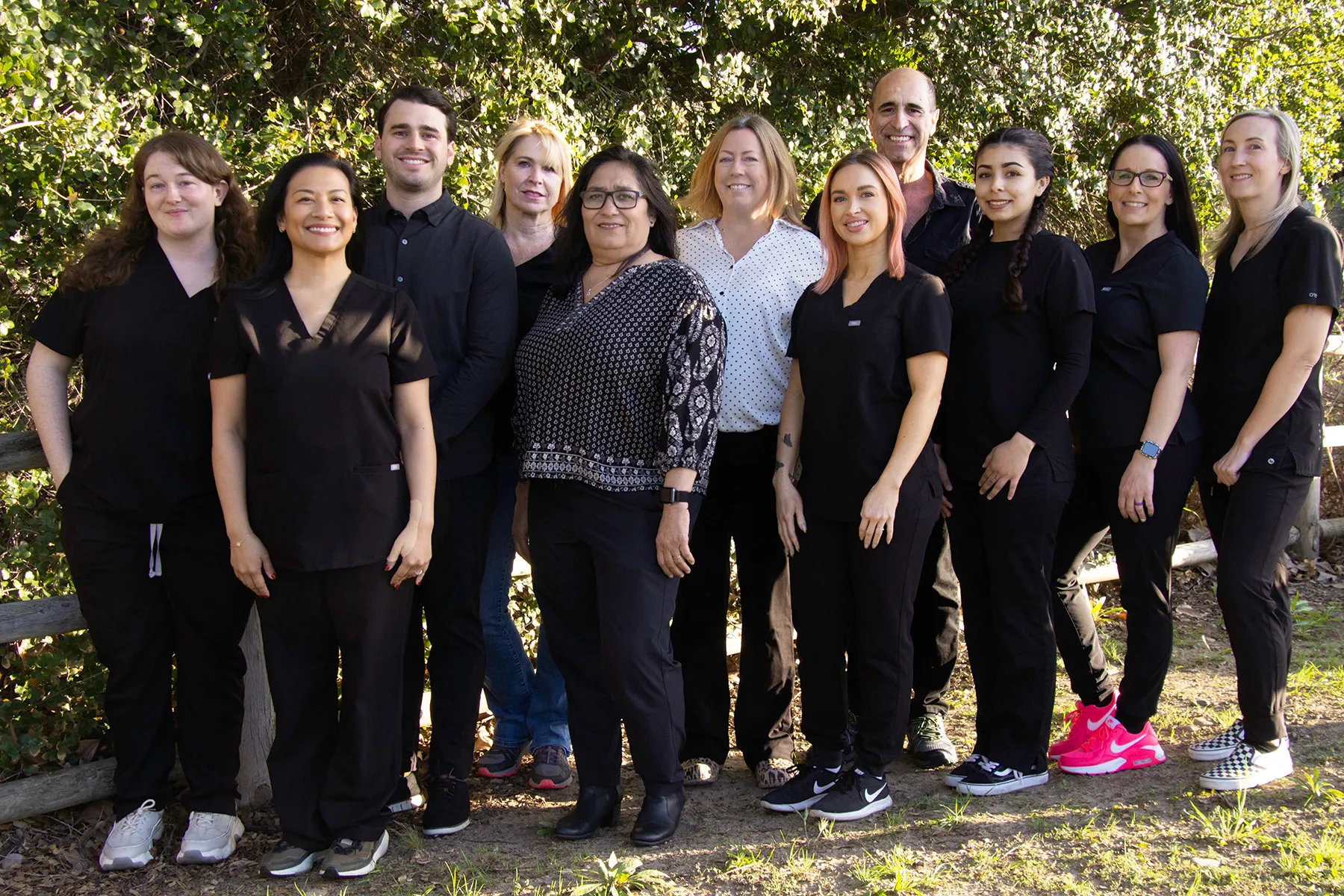
At Be Well Dental, we understand that choosing between Invisalign and traditional braces isn’t just about straightening teeth; it’s about your lifestyle, confidence, and comfort along the way. With advanced tools like 3D imaging and iTero digital scans, Dr. Dustin McCafferty and Dr. Anthony Cardoza provide truly personalized care that guides you confidently toward the best treatment plan for you.
Understanding Your Options: Invisalign and Traditional Braces
Before weighing the pros and cons, it’s important to understand how each treatment works.
What Is Invisalign?
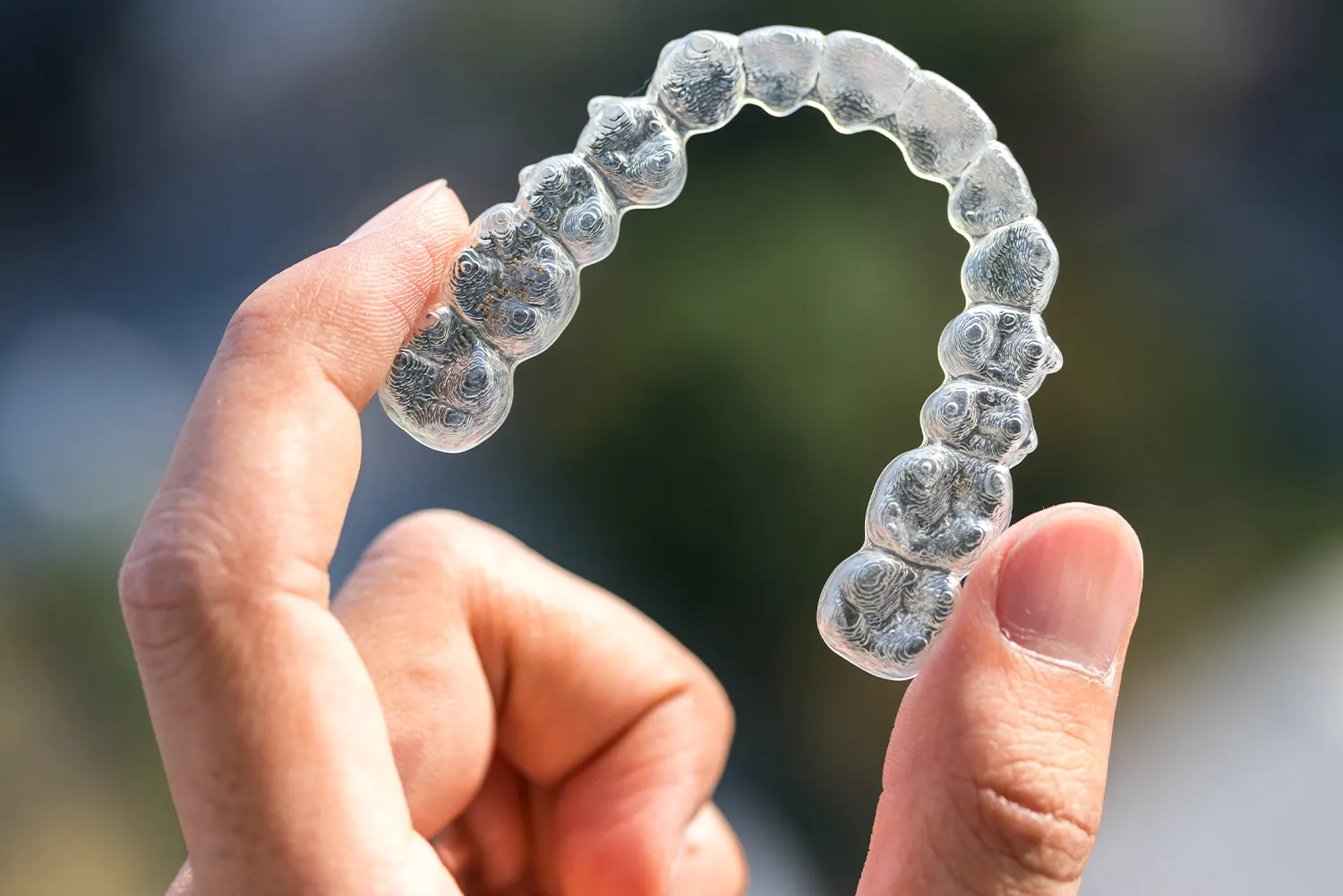
Invisalign is a series of custom-made, clear aligners designed to gradually shift your teeth into alignment. Made from smooth, BPA-free plastic, these aligners are virtually invisible and removable. Treatment begins with a digital scan, no goopy impressions, using tools like the iTero scanner to ensure a precise fit.
What Are Traditional Braces?
Traditional braces use metal brackets and wires to correct alignment over time. They are bonded to your teeth and adjusted periodically by your dentist or orthodontist. Though more visible, braces are incredibly effective for complex or severe bite issues.
Comparing Invisalign and Traditional Braces
Choosing the right solution comes down to what fits best with your needs, comfort level, and lifestyle.
1. Appearance
- Invisalign: Nearly invisible while worn, offering a subtle way to improve your smile.
- Braces: More noticeable, though today’s versions are smaller and can be paired with clear or tooth-colored brackets.
2. Comfort and Wearability
- Invisalign: Smooth aligners won’t irritate gums or cheeks. Since they're removable, you can eat and clean your teeth comfortably.
- Braces: May cause initial discomfort, especially after adjustments or if brackets rub against soft tissue.
3. Treatment Time
Both treatments vary in duration based on the complexity of your case, but here’s a general comparison:
- Invisalign: 12 to 18 months on average.
- Braces: 18 to 24 months on average.
4. Lifestyle and Responsibility
- Invisalign: Best for disciplined wearers; aligners must be worn 20 to 22 hours daily. Great for active adults or teens who prefer flexibility.
- Braces: Always working; no risk of losing them, making them a great choice for younger patients or those less likely to keep track of aligners.
5. Effectiveness
While both solutions effectively treat most alignment issues, braces may be more suited for more complex cases such as severe crowding, significant overbites, or jaw misalignments.
Why Personalized Care Matters
Every smile tells a story, and at Be Well Dental, we believe yours deserves individual attention. Using advanced CBCT imaging and 3D-printed surgical guides, Dr. McCafferty crafts highly tailored Invisalign treatment plans, while Dr. Cardoza brings over 40 years of orthodontic experience to traditional braces solutions. Our combined approach means you won’t be referred out; we handle complex orthodontic care right here in our Santee office.
But what truly sets us apart is how we treat you. If dental anxiety or past experiences have held you back from addressing your smile, know this: your concerns matter here. We take time to listen, offer judgment-free guidance, and provide clear education so you can make a confident decision.
FAQs About Invisalign and Braces
Q: Which is more affordable, Invisalign or braces?
Costs vary per case, but both treatments are competitively priced. At Be Well Dental, we offer transparent estimates and flexible payment options to make care accessible. Insurance coverage may apply to both options as well.
Q: Will Invisalign work for teens?
Yes. Invisalign Teen is designed specifically for growing mouths and includes compliance indicators to track wear time. For certain cases, traditional braces may still be a better fit, which we help determine during your consultation.
Q: Can I switch from braces to Invisalign?
In some cases, yes. If your needs or preferences change mid-treatment, we’ll work with you to adjust your plan. Comfort, results, and your well-being guide every decision.
Our Honest Approach to Orthodontic Care
With both Invisalign and braces offered onsite, we help patients navigate their choices without pressure or upselling. Through digital diagnostics, bite analysis, and face-to-face conversations, we guide you through the process step by step in an approachable, supportive atmosphere.
We’re proud to be deeply rooted in the Santee community, growing with families, supporting local schools, and seeking to build generational relationships. Whether it’s your first orthodontic consultation or a revisit years later, we’ll meet you wherever you are in your dental journey.
Book Your Consultation with Be Well Dental Today
If you're wondering whether Invisalign or traditional braces are right for you, now is the perfect time to get clarity. At Be Well Dental in Santee, we make the process transparent, comfortable, and fully tailored to your needs.
Call us today at (619) 444-6196 to schedule your consultation with Dr. Dustin McCafferty or Dr. Anthony Cardoza. Let’s explore your options together, so you can smile with confidence, comfort, and pride.
Related Posts
5 Things I Wish I Knew Before Starting Invisalign
How Long Do Dental Crowns Last? Maximizing Your Investment

Am I a Good Candidate for Invisalign? Complete Eligibility Guide